What I Carry: A Backcountry Hunter's Honest Gear Breakdown
Published July 15, 2026 | huntNotes
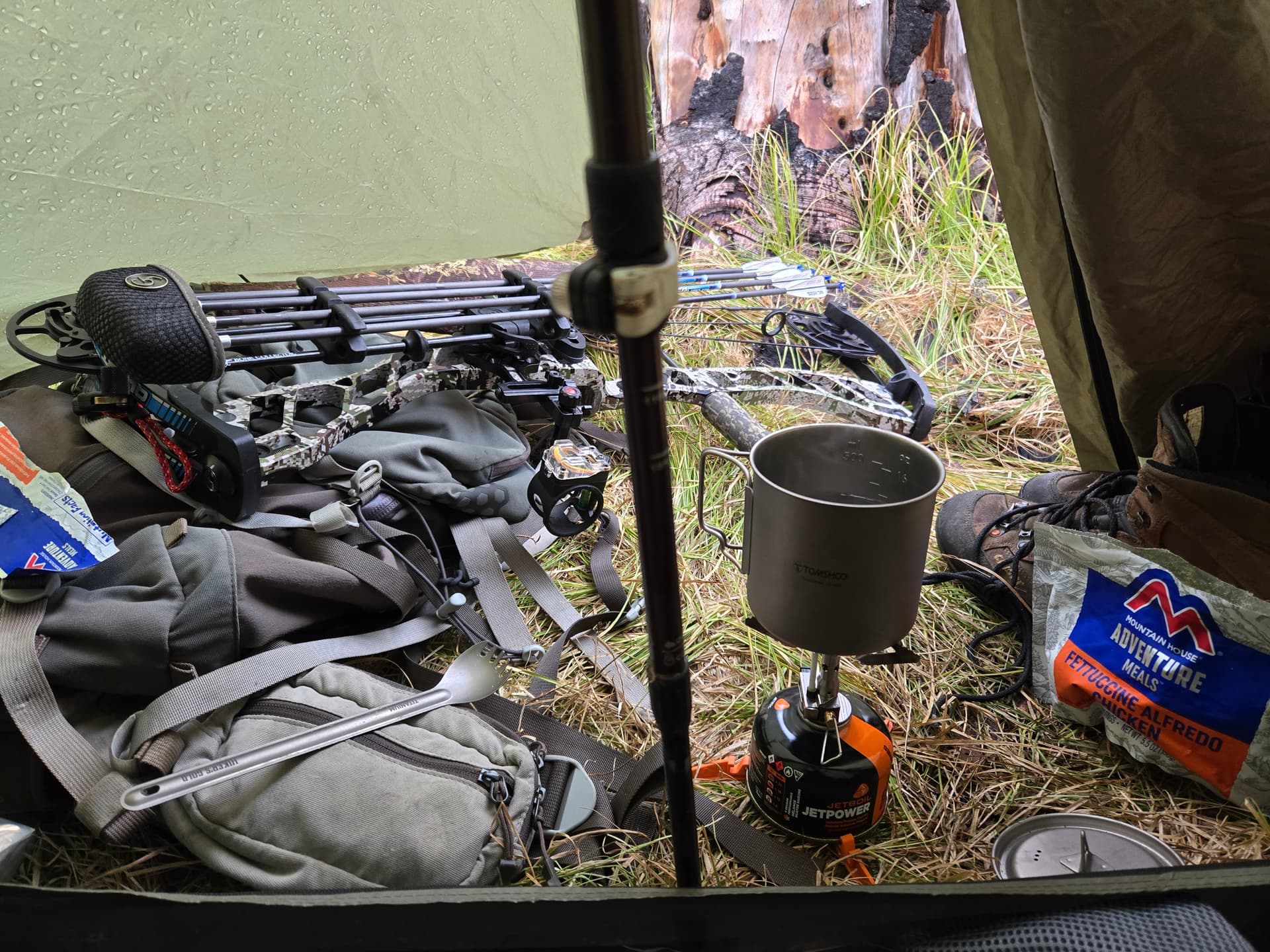
There is a number every serious backcountry hunter eventually lands on. For me it is 35 pounds. That is the target walking weight for a 4-day mountain hunt, and every item in the pack is a negotiation to stay under it. Not a guideline. A ceiling. Once you have felt the difference between 34 pounds and 42 pounds on day 3 at elevation, the number stops being abstract.
This is not a sponsored list. It is not aspirational. It is what I actually carry, why it earns its spot, and how I think about the categories that matter most when the hunt goes deep.
The Pack
Everything in this article lives inside one bag. That bag matters more than most hunters want to admit when they are shopping for it.
I run the Pnuma Crestone. It is discontinued, which is genuinely unfortunate, because it was a well-built 3,500 cubic inch backcountry hunting pack at a price point that made the serious alternatives hard to justify. CORDURA 560D construction, a dedicated meat shelf, solid aluminum frame stays, and enough organization to keep a multi-day kit sorted without digging. I have packed out four elk and a handful of whitetail with it. That is not a data point I throw around casually. The pack proved itself and kept proving itself. If you find one used, buy it without hesitation.
For anyone building a kit from scratch at that volume, the two names worth looking at in the same size range are Kifaru and EXO Mountain Gear. The Kifaru Woodsman runs 3,400 to 4,000 cubic inches with a built-in meat shelf and Kifaru's modular frame system, made in Colorado and built to last well beyond what you will pay for it. The EXO K4 3600 is a purpose-built backcountry hunting pack system with a carbon fiber frame, integrated load shelf, and interchangeable bags if your needs change. Made in Boise, Idaho. Both are significantly more expensive than the Crestone was. Both are worth it.
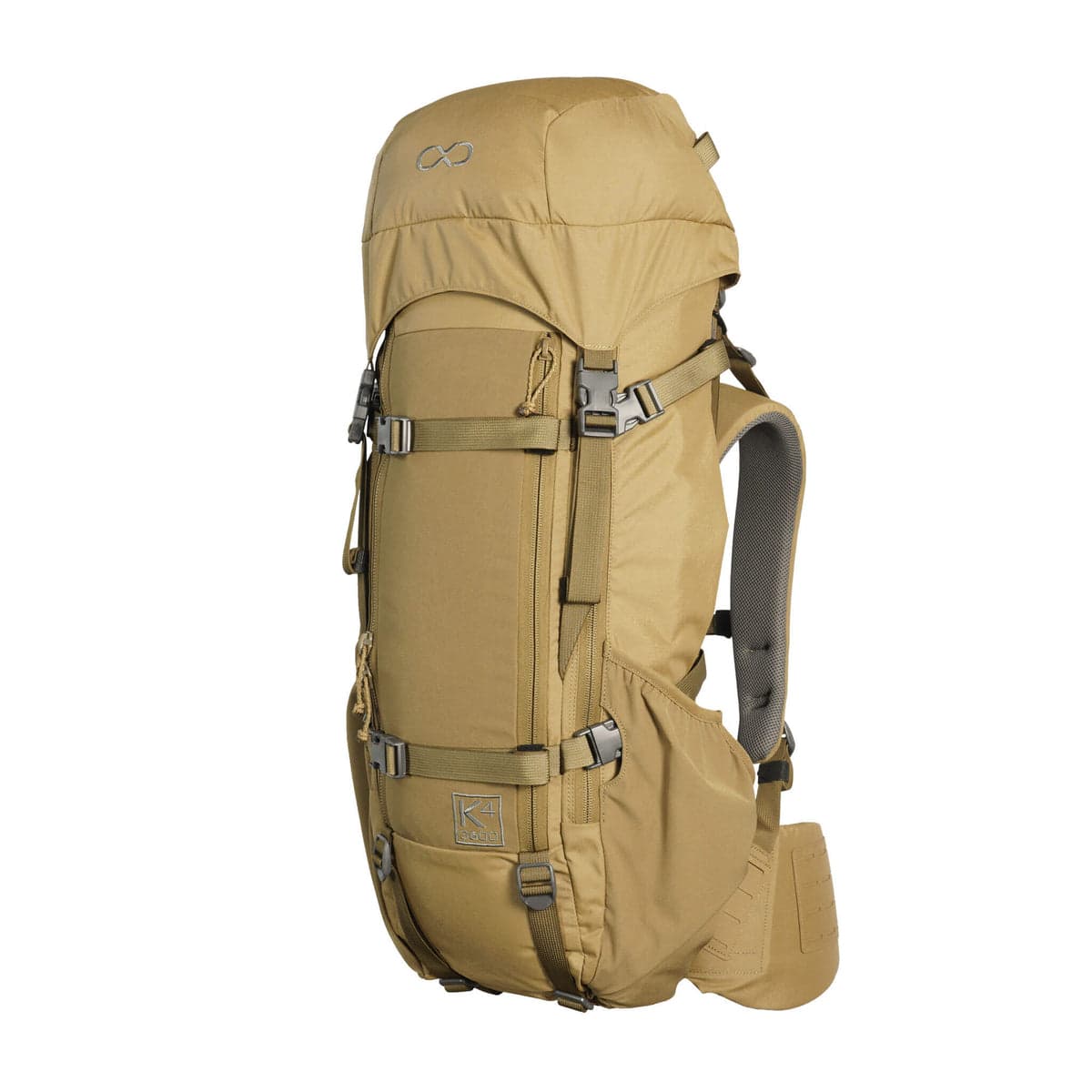
The philosophy that matters regardless of which pack you choose: stay honest with your volume. A 3,500 cubic inch pack keeps you accountable. It is large enough for a real multi-day mountain kit but not so large that you start filling space just because it is there. The weight discipline starts with the bag you choose to put everything into.
Shelter
The first thing most people assume about a budget tent is that it is a compromise. The River Country Products Trekker Tent 1 is the exception that makes that assumption look lazy. At 2 pounds 13 ounces and around $55, it is a legitimate ultralight shelter that competes with options costing four times as much. It pitches off your trekking pole, sets up fast, and fits one person with room for gear in the vestibule. If you are building a kit and looking for a place where the math is obviously in your favor, this is it.
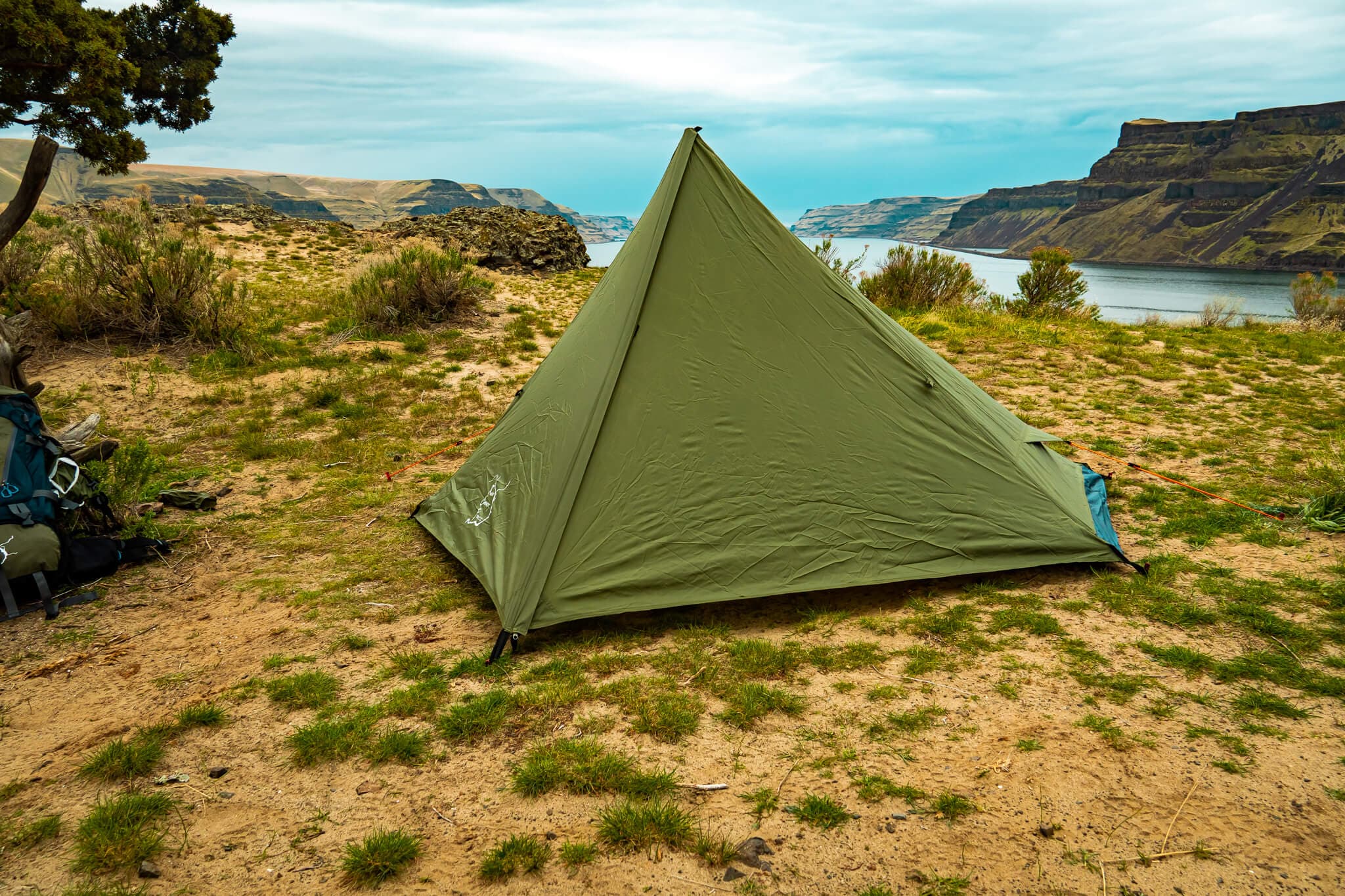
Trekker-style shelters have made real inroads in backcountry hunting circles because they solve the shelter problem without stealing your weight budget. The trade is that you are sleeping alone and carrying alone. If you are hunting with a partner, splitting a two-person shelter almost always pencils out better in weight and comfort. Going solo means owning every ounce yourself, and the River Country 1P makes that as painless as anything at its price point.
Sleep System
The sleeping bag is where a lot of hunters get hurt by optimism. I run a 40-degree bag and manage the risk with a strategy I picked up from necessity: I sleep fully loaded for the next day. Base layers, socks, everything I will be wearing in the morning stays on through the night. No waking up in the cold to get dressed. No fumbling with layers before first light. You just slide into your boots and go. That layering adds meaningful warmth on nights that push the bag's limit, and it streamlines your morning when every minute before shooting light counts.
The honest guidance for anyone building their kit: know your unit's overnight temperature range and your dates. A 20-degree bag going unused on a warm trip costs you nothing but ounces. A 40-degree bag on a 28-degree night costs you sleep, body heat, and hunting energy you cannot get back. That knowledge comes from logging your hunts. Overnight lows, what you wore, how you slept. After a few seasons of honest notes you stop guessing at your bag rating and start knowing it.
The sleeping pad is not the glamorous purchase but it might be the most functional one. Ground insulation matters as much as bag rating. A cheap pad under a good bag will undercut you. I run the Sleepingo foam pad. It is light, packable, and gets the job done.
Water
Water management in the backcountry breaks into two problems: filtering what you drink and storing enough at camp so you are not making extra trips.
On the hike in, I carry a single Nalgene. That is it. When you know where you are getting water and camp is still on your back, there is no reason to add the weight of a loaded bladder or filter setup on the trail. Save it for camp.
For filtration, the Katadyn BeFree has earned its place in serious backcountry kits for good reason. The hollow fiber membrane filters at 0.1 micron, removing bacteria, protozoa, and sediment at up to 2 liters per minute. The flow rate matters when you are thirsty after a long push and do not want to stand at a creek for five minutes.
The piece of my water system I talk about less but would not give up: three 3-gallon refillable bags. Ultralight, pack to almost nothing, and when I reach water at camp I fill all three at once. Nine gallons staged and ready. No extra trips. No rationing anxiety. On a solo or small crew hunt where your time and energy are finite, eliminating water logistics from your daily mental load is worth the few ounces those bags cost.
Cook System
Eat hot food at night. That is the whole argument for carrying a cook kit.
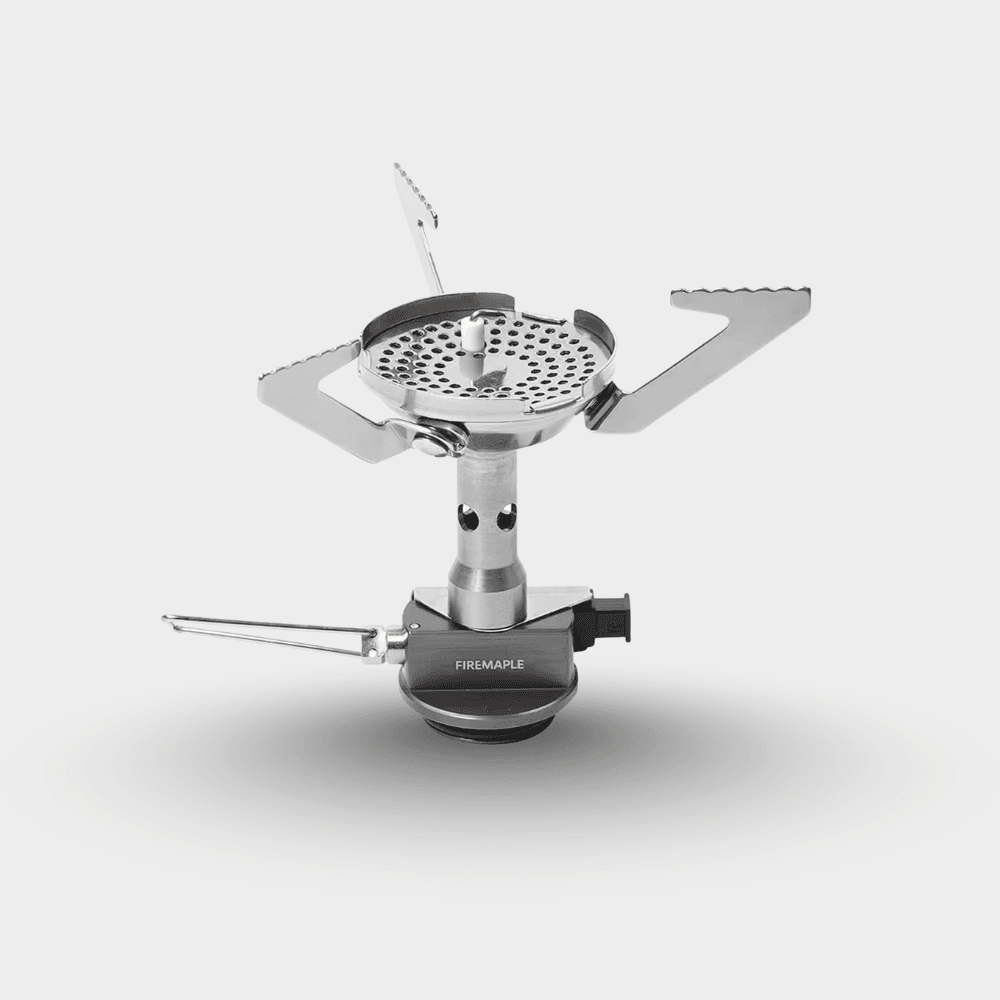
My setup is a Fire Maple GreenPeak stove, a 650mL titanium pot, a canister of fuel, and an extra-long spork. The stove and pot together come in at 5.8 ounces total. That is not a misprint. A titanium pot at that size boils water fast, and a single canister runs the trip with margin. The spork reaches the bottom of a Peak Refuel pouch. Nothing here is innovative. All of it works.
Speaking of Peak Refuel: this is the dinner anchor for good reason. Most dinners run 720 to 990 calories per pouch with 40 grams of protein, real meat, and reconstitution in under 10 minutes. At altitude after a hard day you need calories that recover muscle and keep you warm overnight. Peak Refuel delivers that without the sodium overload of some competitors and without the weight of luxury alternatives.
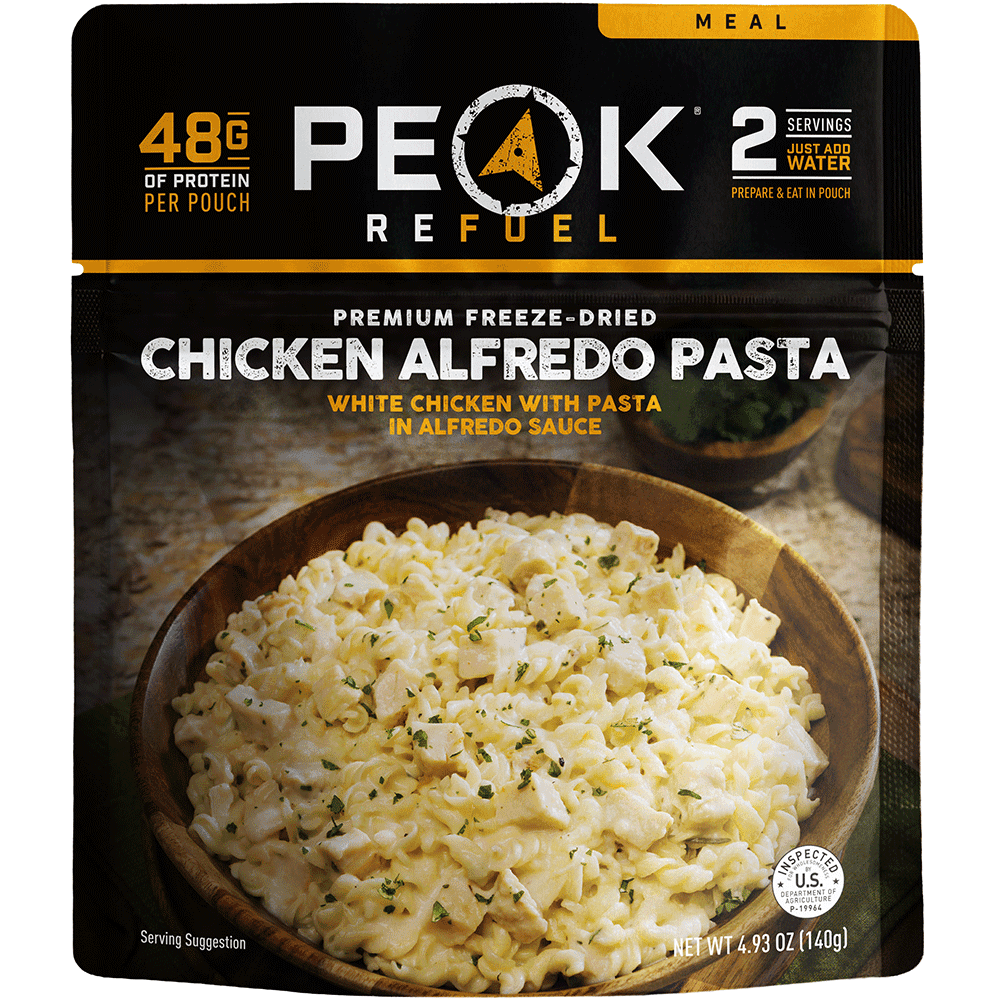
The cook system earns its slot. Keep it simple.
Kill Kit
The kill kit lives in its own dedicated internal pocket on the pack, not buried in the main compartment. That matters when you are standing over an animal and do not want to dig.
What is in it: a fixed blade that holds an edge, Alaska Game Bags, extra Outdoor Edge replacement blades, a WorkSharp Guided Field Sharpener, and paracord. The game bags are not the place to cut money or weight. They protect the meat, allow airflow, and keep the flies off. The sharpener adds almost nothing to your load and keeps your edge where it needs to be. A dull blade on a meat job is slower and more dangerous than a sharp one.
The kill kit is not the place for process detail in this article. What matters from a gear perspective is that every item has a specific job, it is organized and accessible, and you have thought through the work before you need to do it. What I will say is that logging your pack-outs in a hunt journal pays back over time. How long the bags held, how the knife performed, what you would change. That information only exists if you write it down while it is fresh.
Clothing
Essentials only. Clothing is personal to how you run hot or cold and what conditions you expect, but a few principles hold across the board.
Merino wool is the base layer. It regulates temperature, handles moisture better than synthetics in the field, and does not announce itself at 4 AM when the wind is still. Sock rotation matters more than most hunters acknowledge. A dry and wet rotation keeps your feet in reasonable shape across a multi-day push. Wet socks going back on after a creek crossing are not the end of the world if you are managing them intentionally.
For early mornings and camp, fingerless gloves and a beanie handle the cold without sacrificing dexterity. That combination weighs almost nothing and the alternative is cold hands at shooting light, which is a bad trade.
The poncho is in the pack not just as rain gear. It works as a tarp, a ground cover for keeping meat clean during field work, and an emergency shelter layer if you need it. One piece of gear doing three jobs is exactly how a dialed kit gets built.
Food
Backcountry food is calorie density per ounce, not comfort.
Breakfast is a Pop-Tart. That sounds like a joke and it is not. Two Pop-Tarts are 400 calories, weigh almost nothing, require zero preparation, and get eaten while you are already moving. No stove, no wait, no cleanup. At 5 AM when you need to be glassing before first light, simplicity is everything.
Lunch is built from rotation: jerky, tuna or salmon pouches, dried fruit, applesauce, and hard cheese. All packable, none of it requiring cooking, and the variety keeps you from dreading it by day 3. Tuna and salmon pouches punch above their weight for protein density and pack size. Gummies make the rotation too, typically thrown in through the day alongside something like a HoneyStinger energy chew for a quick hit when you are covering ground. Simple sugars mid-push do real work.
Dinner is Peak Refuel. The calories, the protein, and the hot meal psychology are all worth the canister space.
I pack 4 days and restock as needed. That structure keeps food weight manageable without committing to a supply line I cannot control.
First Aid
First aid is the gear you hope to never open and the gear you cannot afford to skip. In the backcountry, help is hours away at minimum. Build your kit assuming you are the only resource available.
Foot care comes first. Blisters end hunts. Leukotape P is the single most important item in a backcountry foot care kit. It is a rigid medical tape with a zinc oxide adhesive aggressive enough to stay on through sweat, creek crossings, and multiple days of use without reapplication. Applied to known hot spots before you ever feel a problem, it absorbs friction at the tape surface instead of your skin. Apply it the night before a big push for best adhesion. The key word is preventive: put it on before the hot spot develops, not after. Pre-tape any area that has given you trouble in the past before you ever lace up on day one. If you do not know where your trouble spots are yet, you will after this hunt. Write them down. That note saves you on the next one.
Wound care. Hunters work with knives. Lacerations are among the most common backcountry injuries. Your kit needs hemostatic gauze for serious bleeding, sterile compressed gauze for moderate wounds, butterfly closures and wound strips for lacerations that need to be held together, and nitrile gloves for working on anyone else. A 30mL irrigation syringe for cleaning debris out of wounds is a small add that does meaningful work before you can get to proper care.
Bleeding control. A CAT tourniquet is not optional. A knife slip to a hand or forearm can become life-threatening fast. The Gen 7 North American Rescue CAT is the standard. Know how to use it before you need it. Carry it where you can reach it with one hand.
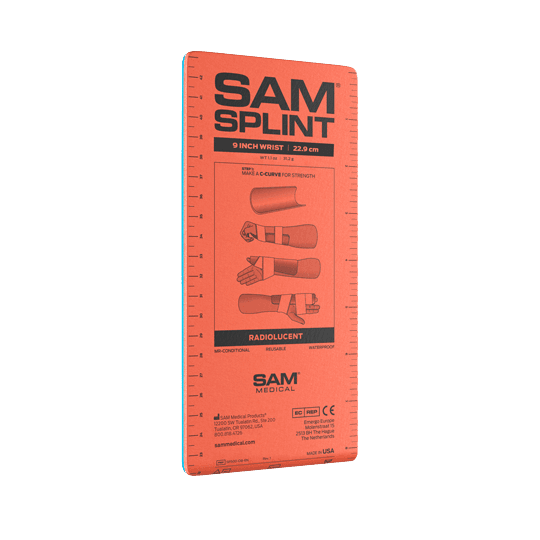
Sprains and fractures. A SAM splint is lightweight, reusable, and waterproof. An ACE bandage alongside it covers sprains. Combined, they let you stabilize a joint or limb well enough to get out of the backcountry under your own power or assist a partner. An ankle that is wrapped and splinted gets you to the truck. An ankle that is not does not.
Medications. Ibuprofen for inflammation and pain, Benadryl for allergic reactions, and any prescription medications you personally rely on. If you have any history of severe allergic reactions, an EpiPen belongs in the kit without discussion.
Other essentials. Antibiotic ointment, antiseptic wipes, a space blanket, and medical tape round out a functional personal kit. Keep it organized in a labeled dry bag so you are not hunting for items when you need them fast.
The gear is only half of it. Know how to use what you carry. A Wilderness First Aid course is a legitimate investment for anyone spending serious time in the backcountry.
Miscellaneous and Navigation
Two headlamps. Not one. A headlamp failure at 3 AM when you are breaking down a bull is the wrong time to discover you only packed one.
A battery charger and cables. Phones and GPS units drain faster in cold mountain mornings than expected. Managing battery life in the field is a real logistics problem. A small charger eliminates it. And the battery matters more than it used to, because the phone is no longer the backup navigation tool. It is the navigation tool.
Navigation runs on huntNotes, and this is the one slot in the kit where I am openly biased, so weigh it accordingly. The map tiles cache on the device before I leave the trailhead, which means waypoints, drawn routes, and the terrain itself all work with zero bars. Camp, water sources, glassing knobs, and the kill site get dropped the moment they matter, and every one of them lands in the same journal that holds the rest of the hunt. The bare-earth LiDAR layer is the piece that changes route planning in country you have never set foot in: benches, saddles, and finger ridges that standard topo smooths over are just sitting there in the relief. We wrote a full breakdown of what LiDAR shows that topo hides.

Your Maps. Your Waypoints. No Signal Required.
huntNotes caches your maps and LiDAR terrain on device, so waypoints, routes, and your journal keep working miles past your last bar.
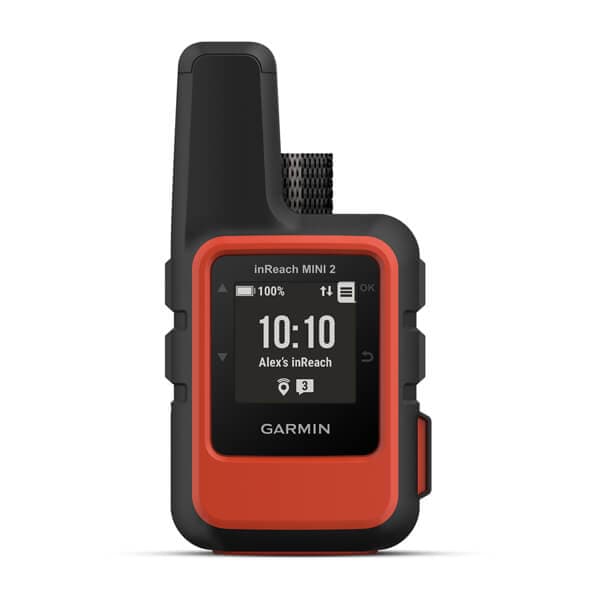
The satellite side of the safety net is separate from the map. The Garmin inReach Mini 2 is in the pack on every backcountry hunt. At 3.5 ounces it costs you almost nothing in weight and it gives you two-way satellite messaging and an interactive SOS tied to a 24/7 emergency response center. Cell service does not exist where you are hunting. The inReach does not need it. This is the item that matters most if something goes wrong miles from the trailhead, and it is the one piece of gear you genuinely hope to never use.
Lighters and paracord in addition to the kill kit supply. Know what your group is carrying collectively and do not double-carry without reason, but do not assume someone else has covered the basics either.
Calls
Bugle tube and mouth calls. Nothing else. You are hunting elk with your legs and your wind, not your call volume. The calls earn their slot because they weigh almost nothing and they close deals.
Optics and Bino Harness
The Alps bino harness keeps glass on your chest and accessible. That matters more than most hunters realize until the moment a bull steps into a shooting lane and they are reaching for a zipper. Binos on a harness mean binos in your hands when you need them.
The Athlon Ares binos hold their own in the backcountry hunting market at a price point that does not require financing a hunt. The wind checker on the harness is the lowest-tech item in the kit and one of the most used.
Do not skimp on glass. You will spend more time looking through your binos than through your scope on a mountain hunt.
Boots
Everything else in the pack exists to support what happens when your boots hit the ground. Get this wrong and the rest of the kit is irrelevant.
This year I am running Lathrop and Sons. The Mountain Hunter is built with a stiff shank and real support for the work that matters in the mountains: side-hilling with a loaded pack, navigating shale and scree above 11,000 feet, and getting out under weight on a pack-out day when your legs are already taxed. Reviewers from serious backcountry hunters consistently point to performance in technical terrain and the fit system as the real differentiators. Lathrop and Sons offers a custom 3D foot mapping process that has resolved fit problems for hunters who spent years fighting blisters and heel slip regardless of what they tried.
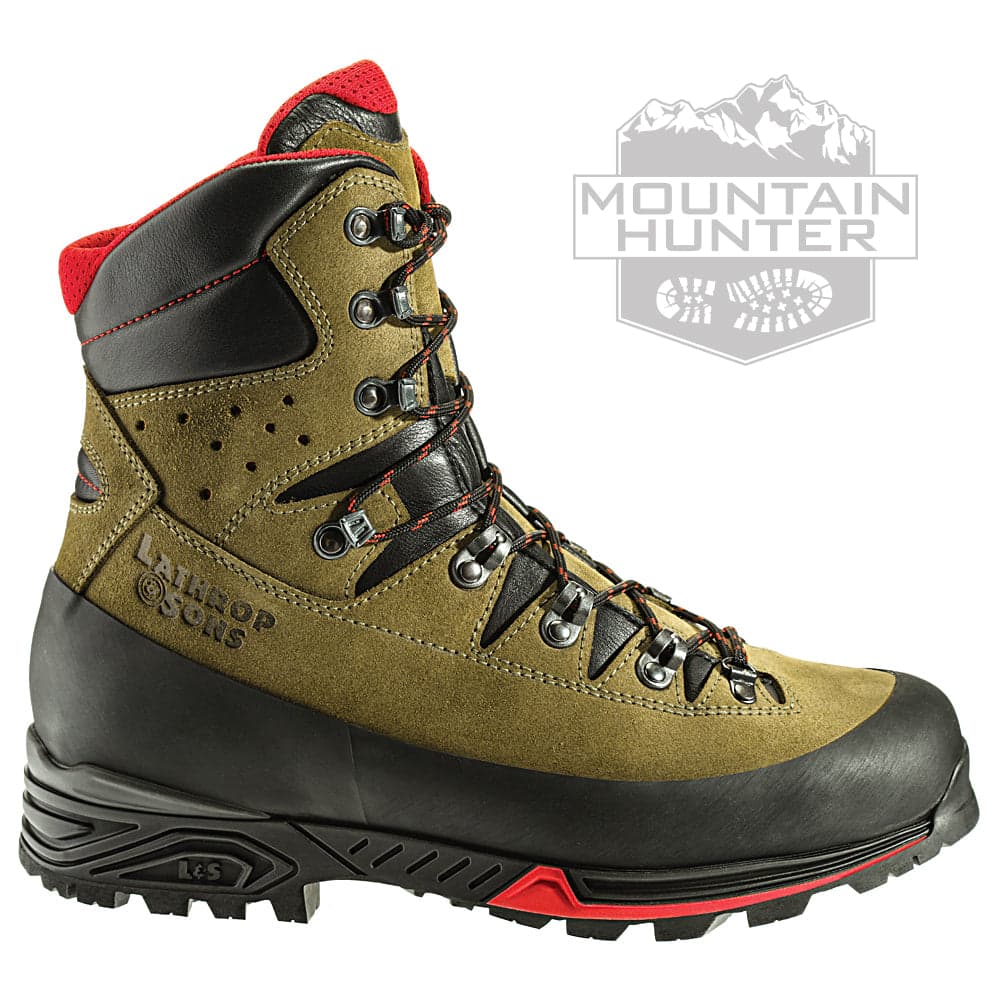
Break-in time is real. Plan for it before your hunt, not during it.
The western backcountry will tell you very quickly whether your boots were the right call. It is the one item where buying once and buying right is not an option, it is a requirement.
How to Audit Your Own Kit
Weigh everything. Not roughly. Actually weigh it. Most hunters are carrying 10 to 15 pounds of gear they cannot justify when they do the honest accounting.
For each item, ask one question: what specific job does this do that nothing else in my pack already covers? If the answer is vague, the item is a candidate for the cut list. If the answer is clear, it stays.
The mountain will audit your kit for you on day 3. Do it yourself first, at home, before the stakes are real.
That audit is also worth logging. What you carried, what earned its spot, what came home untouched. A few seasons of those entries and the kit stops being something you rebuild from scratch every year. It becomes something you refine.

Build the Kit Record Your Next Hunt Runs On.
Drop waypoints, scout offline, and log your gear, conditions, and pack-out notes all in one place on your device. No account required, no cloud dependency. Your data stays with you.
Free to download. Premium starts at $4.99/month.