Why 2026 Is the Spring Turkey Season You Have Been Waiting For
Published April 15, 2026 | huntNotes
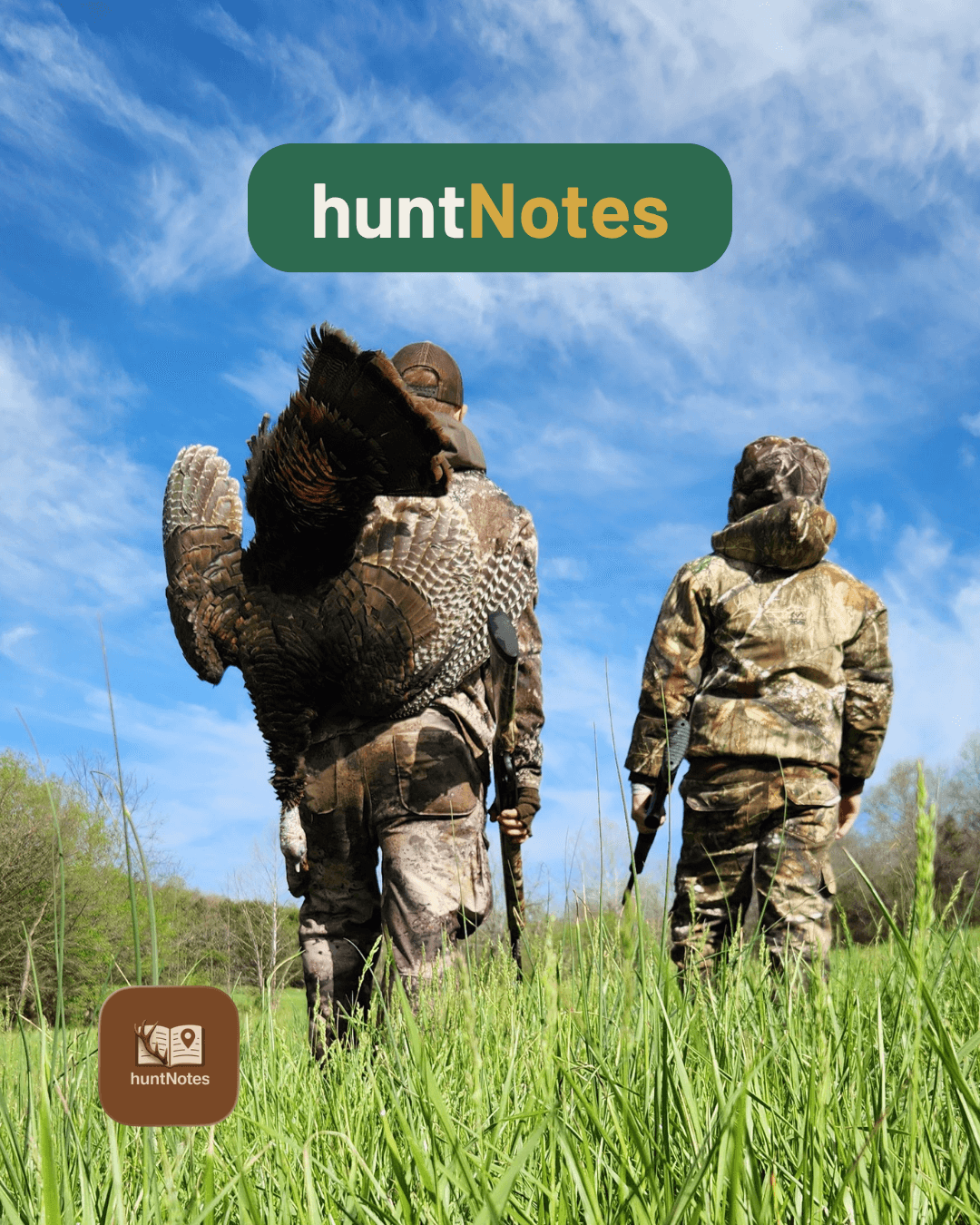
There is a certain kind of hunter who has been quietly frustrated for the last few springs. The kind who did everything right. Scouted hard. Called well. Sat longer than they should have. And still walked out more mornings than they wanted to admit with nothing to show for it.
If that sounds familiar, here is some news worth hearing. The science behind spring turkey hunting in 2026 is pointing in a direction we have not seen in a while. Not a guarantee. Not a return to the days when every ridge sounded like a turkey convention at first light. But a genuine, research-backed reason to be excited about the next few weeks in the woods.
The Class of 2024 Is Running the Woods This Spring
The two-year-old gobbler class entering this spring is larger than it has been in recent memory, and the reason traces back to 2024. That year, the 13-year Brood XIX cicadas emerged across a large swath of the country. The emergence did something that no habitat improvement program or hunting regulation could have engineered: it pulled predators away from turkey nests at exactly the right moment. Raccoons, foxes, coyotes, and opossums that would normally be raiding nests were busy eating insects. The result was a hatch that outperformed expectations across much of turkey country, including Kentucky.
Those poults are now two-year-old gobblers, and the research says they are the most huntable birds on the landscape. They gobble more readily. They take more risks. They have not yet accumulated the scar tissue of a three or four-year-old tom that has been called at hard and slipped away clean. Telemetry data shows two-year-olds make up 50 percent or more of the spring harvest in a given year, and in 2026, there are simply more of them out there than there have been in a while.
For Kentucky hunters, that matters. A woods with more vocal, responsive birds is a different experience than what a lot of us have had lately. You may still have to work for them. But the odds of a gobbler answering your call and meaning it are better this year than they have been in several springs.
What Happens After Opening Day
Here is the part of the research that is harder to hear, but probably more useful.
A 2025 study documented exactly what happens to gobbler behavior once hunting pressure arrives. The findings were striking. Once the season opens, gobblers shrink the area they regularly use by as much as 55 percent. Their core use areas, the places they feel genuinely safe, can compress by as much as 65 percent. They do not stop moving. They do not go silent and vanish. They just get very deliberate about where they move.
This matters because it explains something a lot of experienced hunters have felt but never had data behind. The birds that were hammering on the roost opening week feel harder to pin down by week two. They are still there. They just stopped advertising themselves from the same spots, and they are tighter to cover and familiar terrain than they were before anyone put pressure on them.
The same research found that pressured gobblers actively avoid secondary roads and open areas where they have had close calls. They pattern hunters the same way hunters try to pattern them.
For someone hunting Kentucky public land, or even private ground that gets walked hard, this is actionable information. The hunters who find birds in the back half of the season are the ones who scouted before pressure set in, know where the roosts are, and can get tight to those roost trees without burning the approach. The opening week pattern of hearing a gobbler from the road and setting up between him and where you think he wants to go gets a lot less reliable by the second and third week of the season.
Find the Roost First
Both threads of this research point to the same conclusion. Roost location is everything this spring.
Two-year-old gobblers are vocal and willing, but they are still birds. They fly down looking for hens, and if the hens are not coming to them, they will often drift back toward familiar staging areas near the roost rather than marching blindly toward a call. And once pressure hits, the research shows that tight core use areas around roosts become the safe zones gobblers retreat to.
If you know where a bird is roosting, you have the two most important pieces of information you can have this spring: where to be before first light, and where the bird is likely to pull back to once the season gets long in the tooth.
Scouting for roost trees is not complicated, but it takes time. You are looking for large hardwoods, often white oaks or sycamores near creek drainages, with sign underneath. Feathers, scratching, droppings that are older and indicate repeated use. The best time to confirm a roost is the last 30 minutes of daylight, when birds are pitching up for the night and their wing beats and calling are easy to hear if you are patient and in the right area.
When you find one, note it. The exact tree if you can manage it, the direction they flew up from, the ridge or drainage they were traveling when you heard them. That detail has a way of being exactly what you need two weeks into the season when the woods have gotten quiet and you are trying to remember what you saw before the crowds showed up.
This is the kind of information that becomes a real asset over time when you have it written down somewhere. Logging a roost location, the approach, and the conditions around it in huntNotes means you are not relying on memory when you come back to that piece of ground next year or when the season gets pressured and you need to go back to what you actually know. The app works offline, so it is with you whether or not you have a signal in the timber.

Pin the Roost. Log the Approach. Own the Season.
huntNotes works offline in the timber. Drop a waypoint, add your notes, and never rely on memory when it matters most.
A Note on the Long Game
One thing the research makes clear is that the hunters who consistently do well in pressured turkey country are the ones who adapt rather than repeat. The bird that answered your call hard on opening morning and then went quiet is not broken. He is educated. Going back to the same setup with the same call sequence hoping for a different outcome is not a strategy.
Moving setups, changing your approach route, hunting midday when other hunters have cleared out, sitting tight on a known roost after a cold morning instead of burning another ridge with calls. These are the adjustments that work. They are also the adjustments you can make with more confidence when you have data from your own past hunts rather than just instinct.
Kentucky General Season Is Here
The 2026 Kentucky General Turkey Season runs April 18 through May 10. Shooting hours are 30 minutes before sunrise to sunset. The limit is two birds for the spring season with one per day. Every harvested bird must be checked through the KDFWR Telecheck system before it is moved from the field. Full regulations at fw.ky.gov.

Track Your Setups. Build a Smarter Season.
Log roost locations, mark turkey sign, journal every sit, and replay your season. huntNotes was built for exactly this. Free to download on iOS and Android.
Free to download. Premium starts at $4.99/month.
Go Make Some Memories
The data says this season has the ingredients to be a good one. Two-year-old gobblers on the landscape, willing to talk and willing to commit. A research picture that rewards the hunter who scouts well and stays flexible when pressure builds.
None of that puts a bird on the ground for you. But it is a real reason to be in the woods every morning you can get there between now and May 10th.
Find the roost. Get close. Be patient. Log what you learn.
Good luck out there.
Turkey behavior research referenced throughout this article is drawn from the work of Dr. Mike Chamberlain and the Wild Turkey Lab at the University of Georgia's Warnell School of Forestry and Natural Resources. Kentucky season regulations sourced from the Kentucky Department of Fish and Wildlife Resources at fw.ky.gov.